BIOGRAPHY
Born in 1920 in Shahjahanpur in the state of Uttar Pradesh, Lalit Mohan Thapalyal served the theatre for more than six decades as playwright, director, actor and critic. From the 1940s till 2004, he produced a large body of character-driven plays spanning political satire, drama, comedy and spiritual reflection. He also wrote two dance dramas, an opera and many plays for children, as well as short stories. His prolific writing was matched by his boundless energy for theatre production.
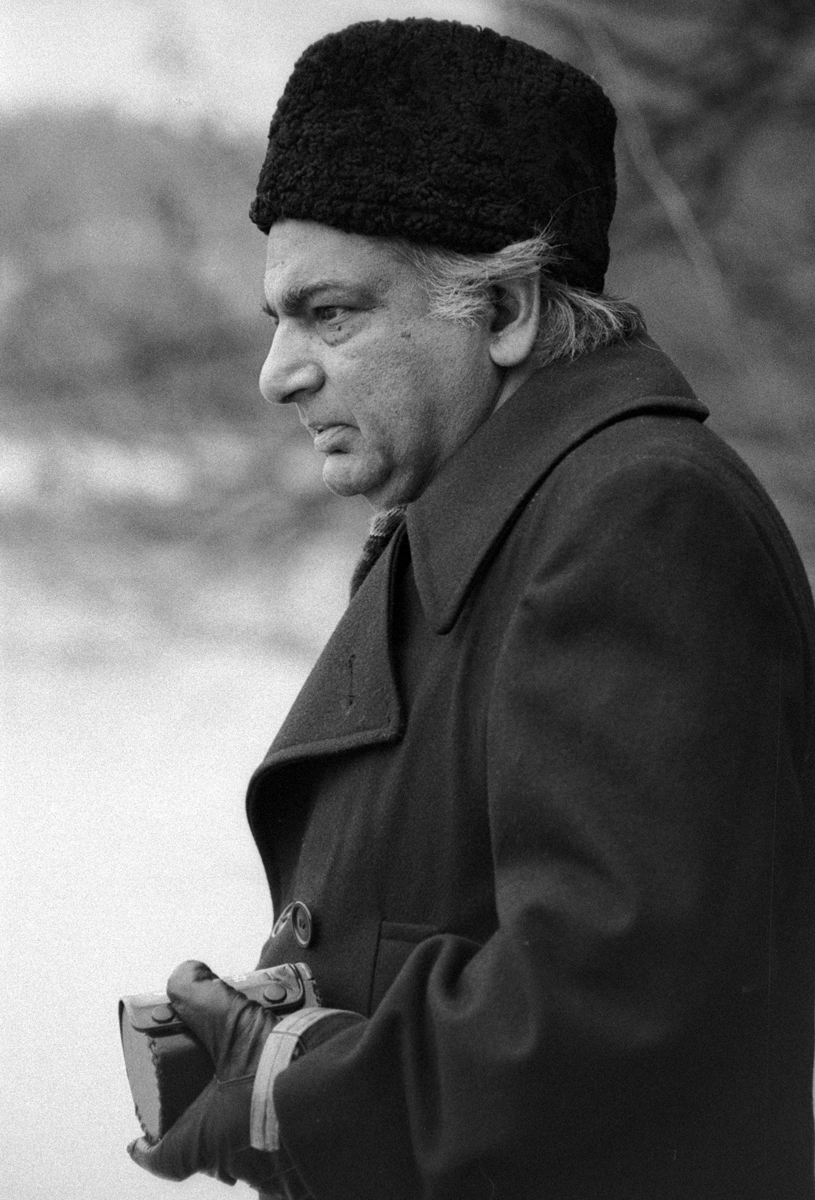
As a director, he is fondly remembered by those who worked with him as infinitely patient, while at the same time exacting. His method was to bring out the very best in the actors by nurturing deep understanding of the characters, and instilling a respect for the nuanced language of the script.
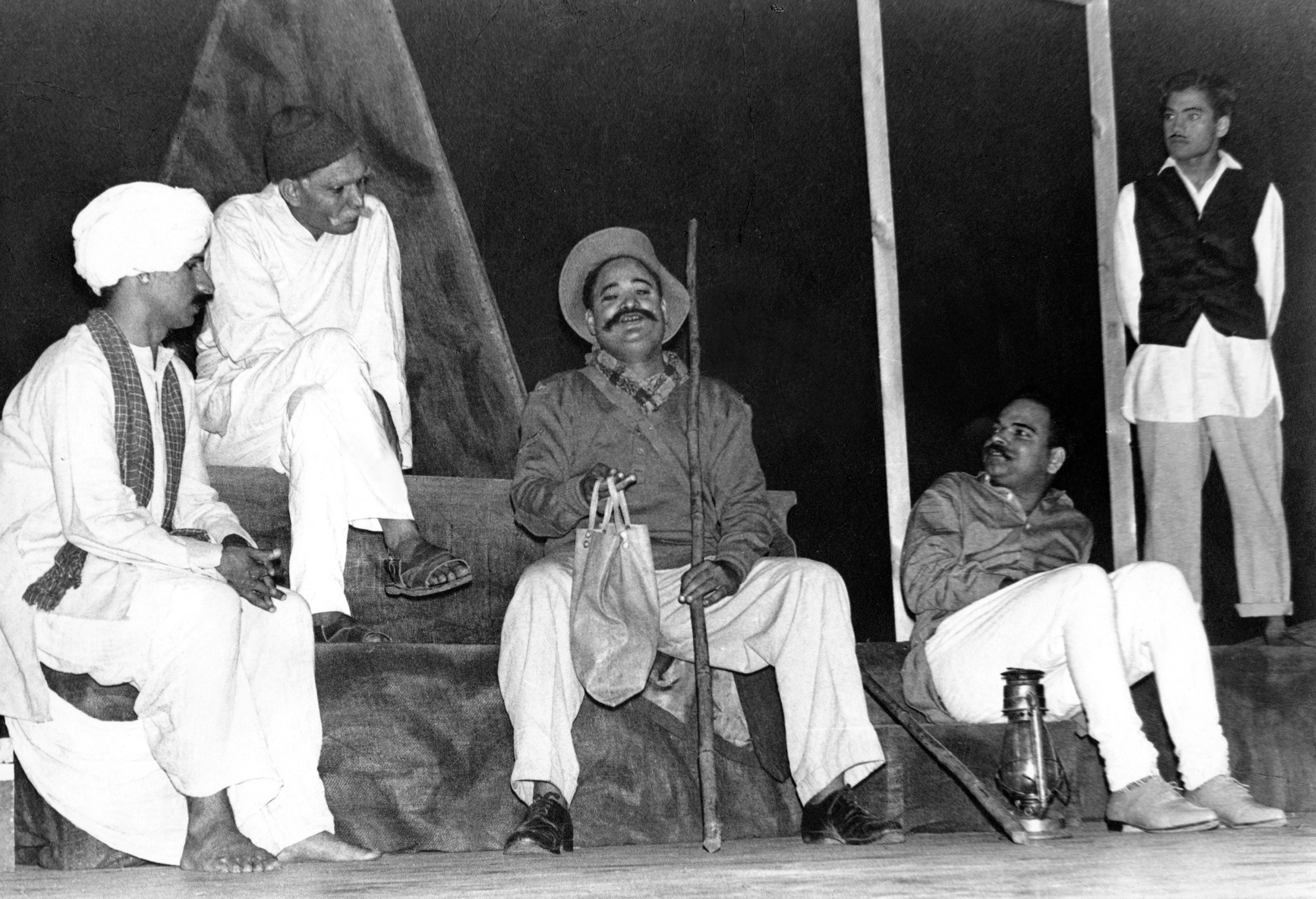
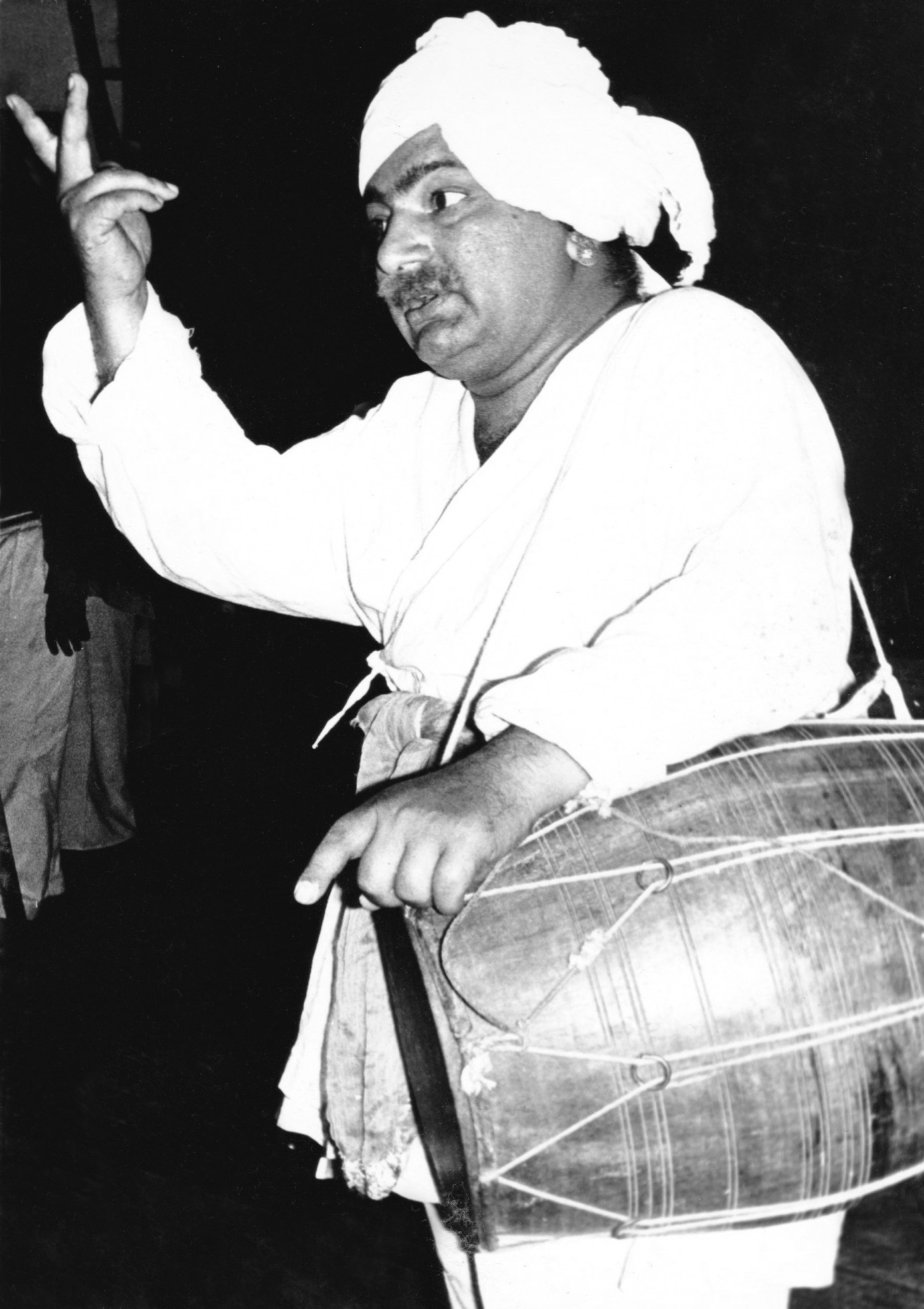
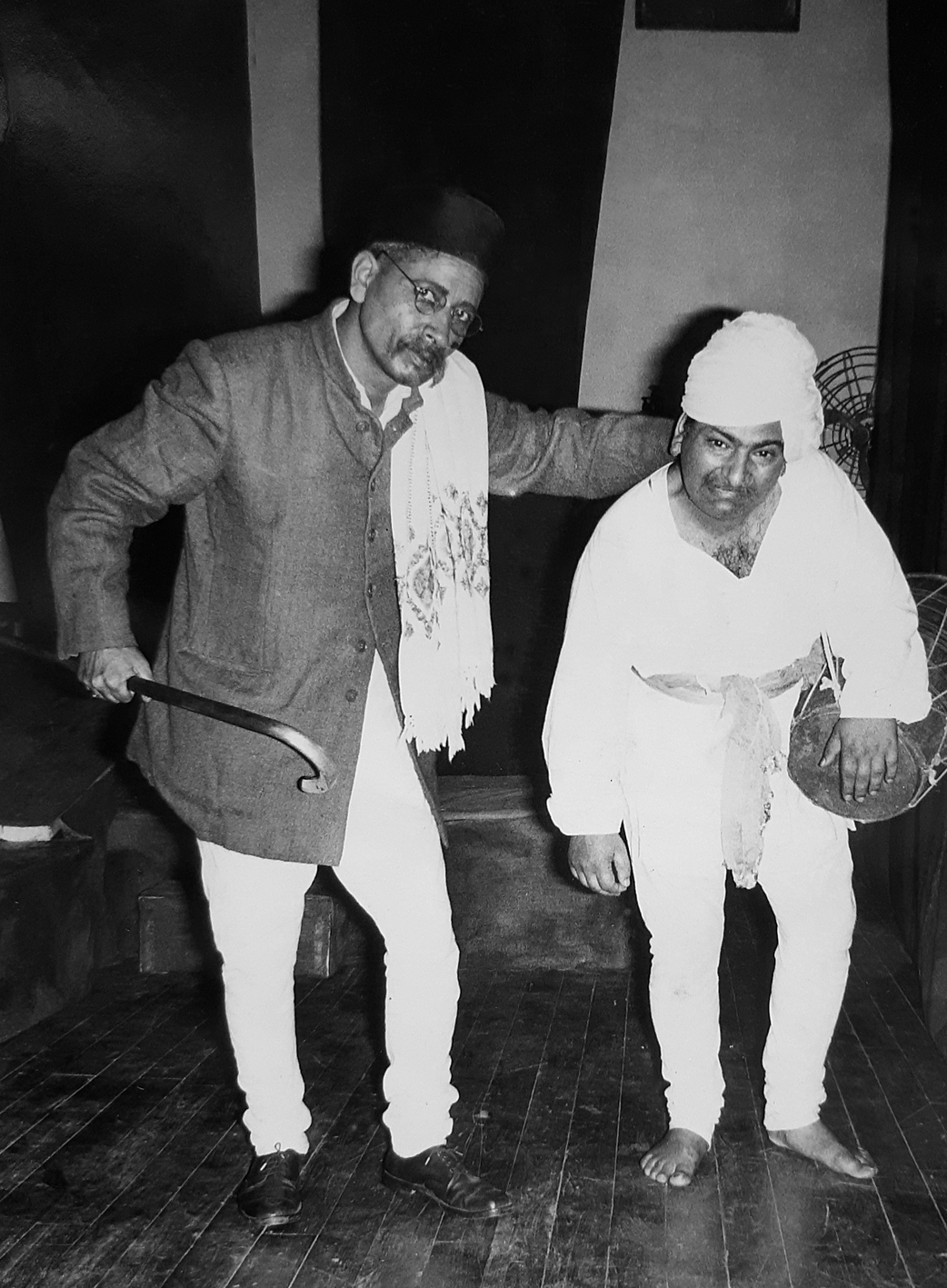
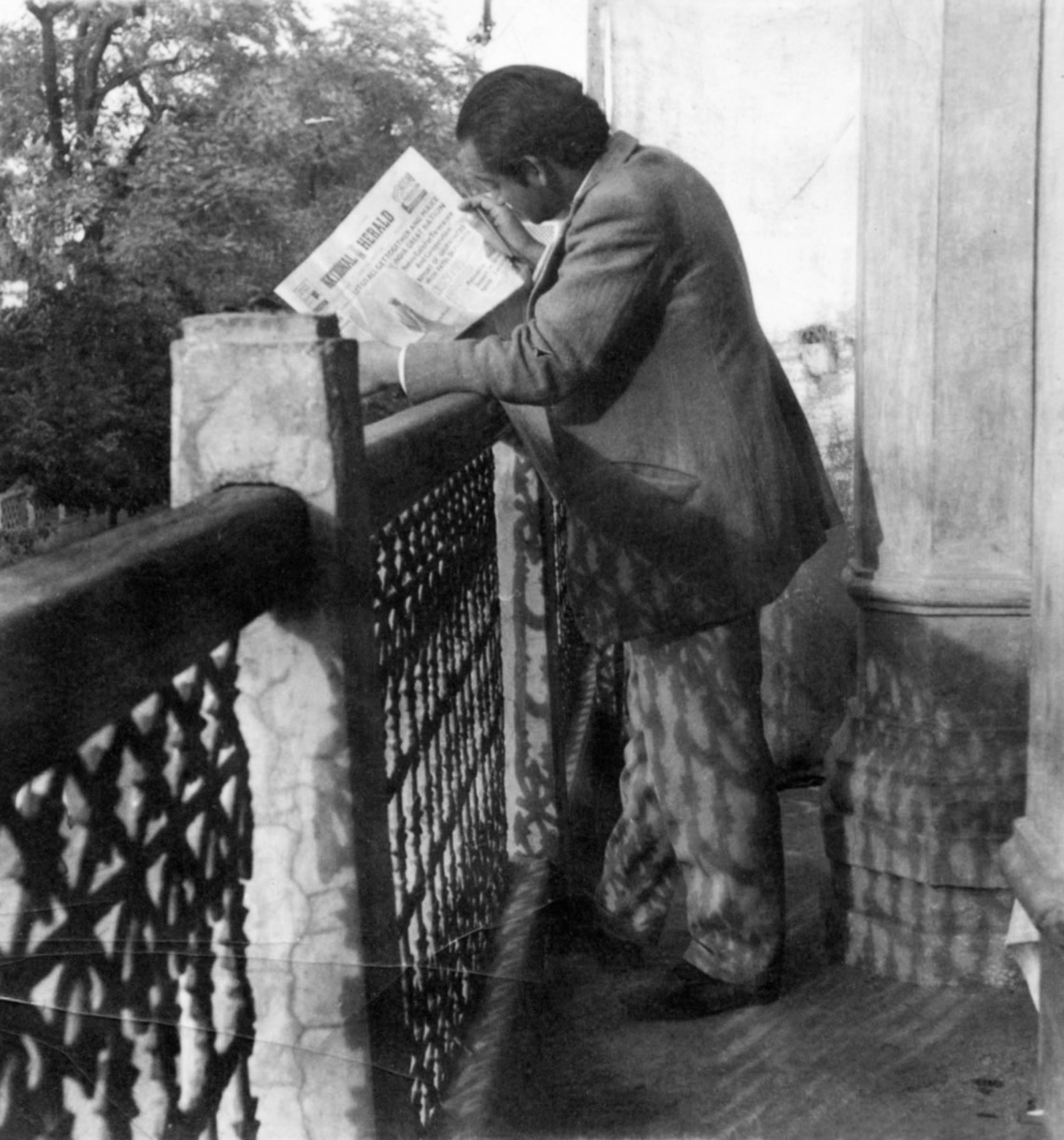
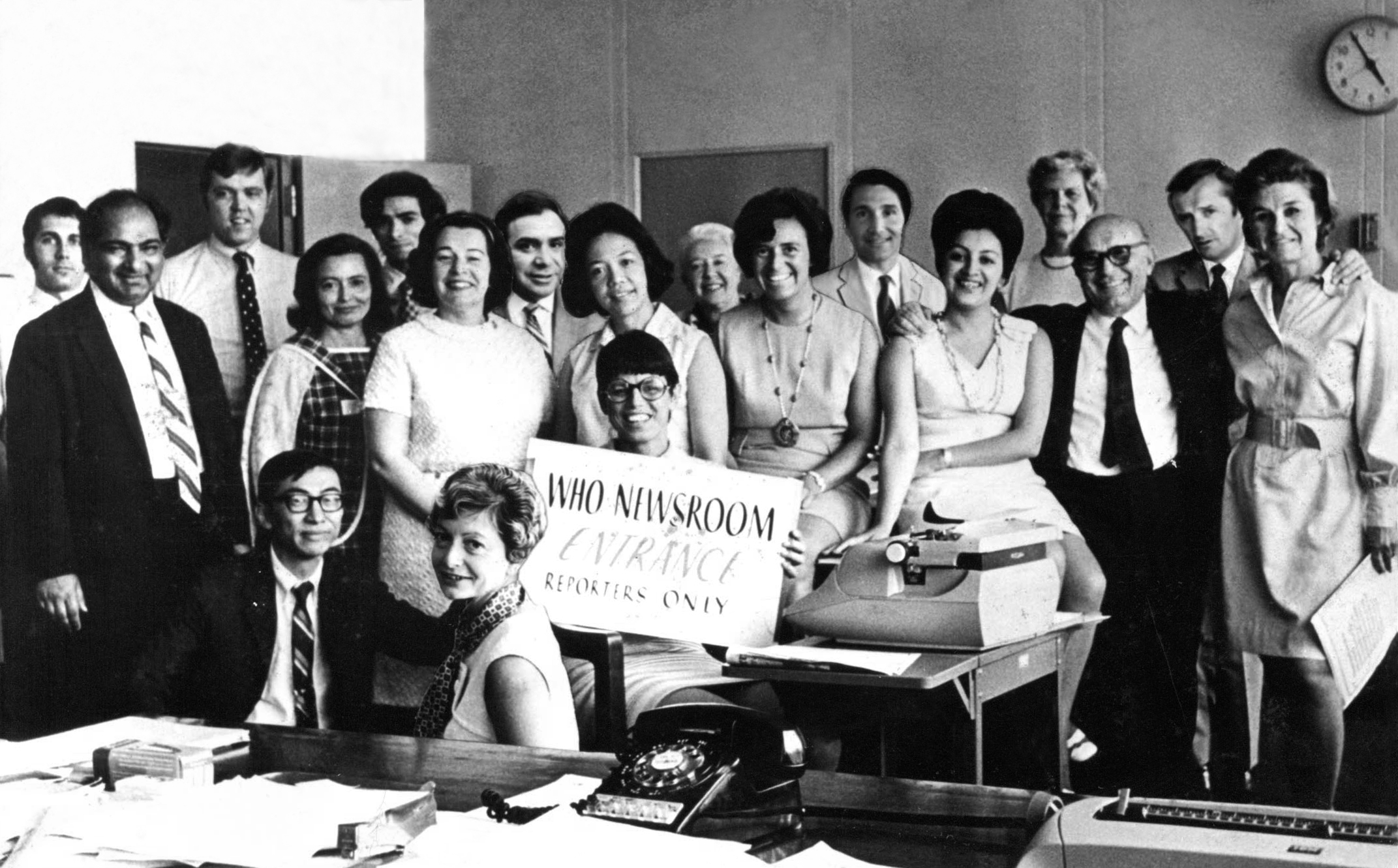
Thapalyal was also a journalist, starting out in pre-independence India as a reporter, arts correspondent, and sub- editor for the Lucknow based newspapers The Pioneer and the National Herald. Later he joined The Hindustan Times in New Delhi. Soon after he joined the information department of the World Health Organization. With WHO he was posted to New York in 1964, and to to Geneva, Switzerland in 1971. After retirement he returned to India in 1982. The next 22 years, before he passed away in 2004, were devoted fully to theatre.
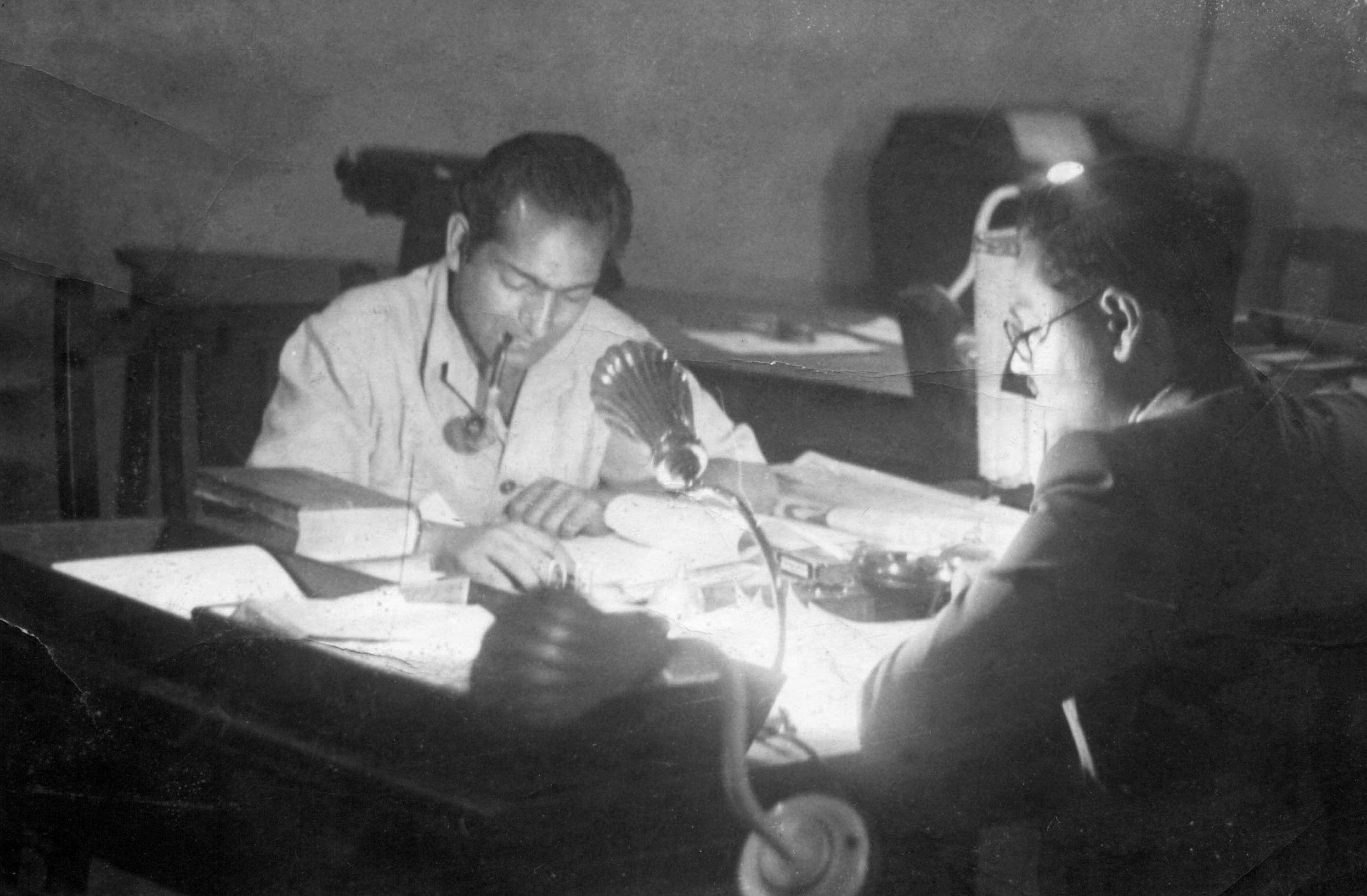
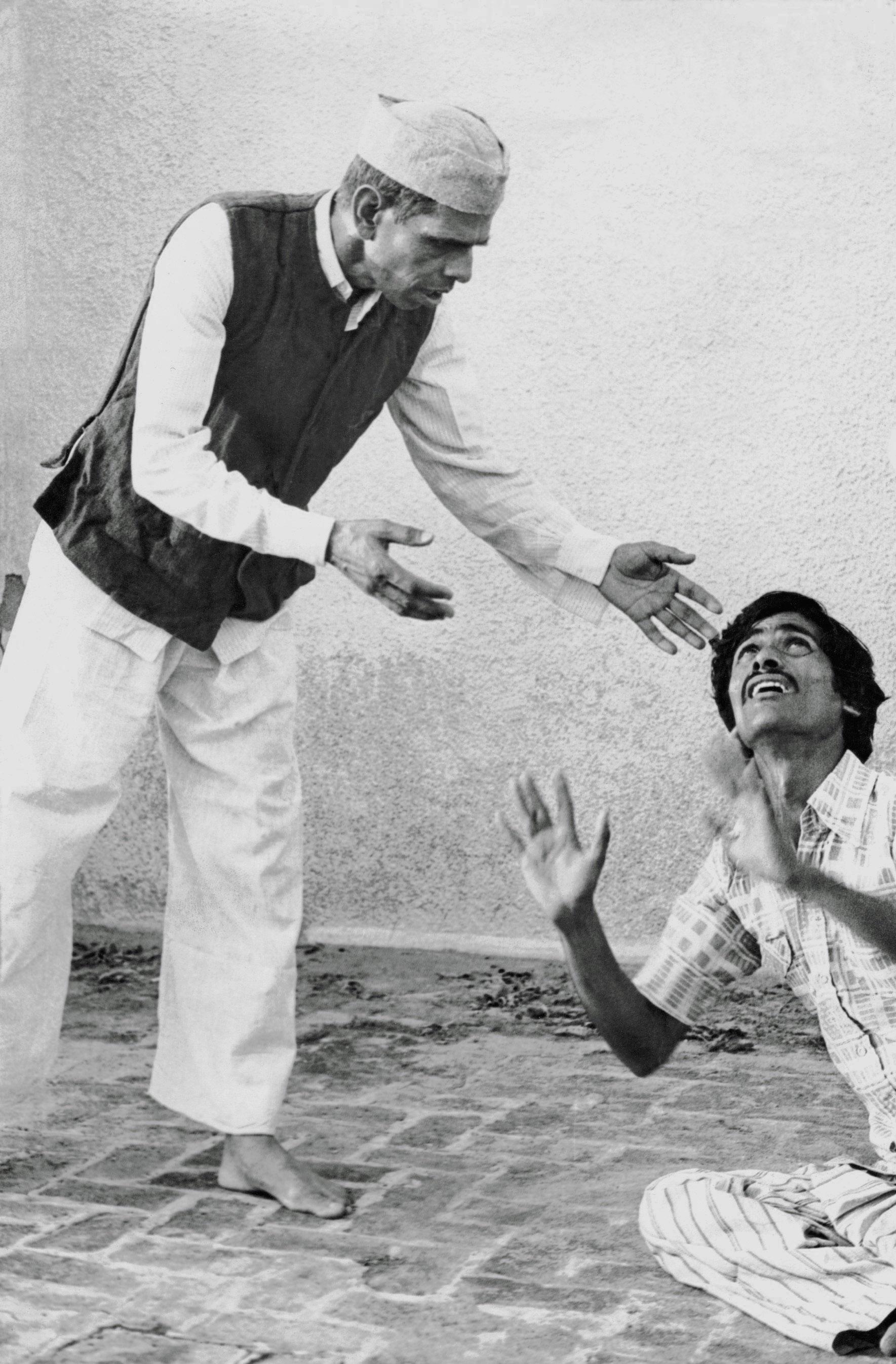
Thapalyal was a lifelong writer, engaging with drama activities wherever the opportunity arose. In New York, he studied theatre technique and theory at the Herbert Bergdorf Studios and continued to write. In Geneva, he founded a Hindi language drama group that presented amongst other productions, the premiere of ‘Chimte Wale Baba’. This is one of the few plays that Thapalyal has translated into English himself, commenting in his eighties that it contains everything he wished to say about life. And indeed, actors who have performed ‘Chimte Wale Baba’ speak of the lingering impact of the experience, the characters they find impossible to forget, and lines that they turn to in moments of difficulty.
LANGUAGES
Thapalyal chose to write plays and short stories in Hindi and Garhwali, although he had studied English Literature at university and English was the language in which he did all his journalistic and editorial work. This included editing the World Health Organisation magazine while posted in Geneva. For his use of Garhwali, he holds a special place in the hearts of people from Uttarakhand, because he was one of the earliest playwrights do so. His works are amongst the region’s best loved reflections of itself, and of its extraordinarily expressive language. Among these is the prescient comedy ‘Ghar Javain’, in which the wronged but quick witted, and remarkably self-aware Gaini outwits the machinations of the local patriarchy. For his grasp of the language, Thapalyal credited his wife Smt. Indira Thapalyal, whose rich vocabulary in her mother tongue not only delighted him but also helped him find vibrant and authentic phrases he had not yet encountered.
On his return to Delhi in 1982, Thapalyal reconnected with the Garhwal Sangeet Natak Samaj (by then renamed Jaagar). As well as directing his already well-loved scripts, he translated ‘Chimte Wale Baba’ into Garhwali, presenting it in 1984 at AIFACS, under the title ‘Chamatkaar’. Thapalyal’s plays in Garhwali have contributed to a strong literary foundation to the language, which some believe is under-recognised since in official terms it continues to be regarded as a dialect.
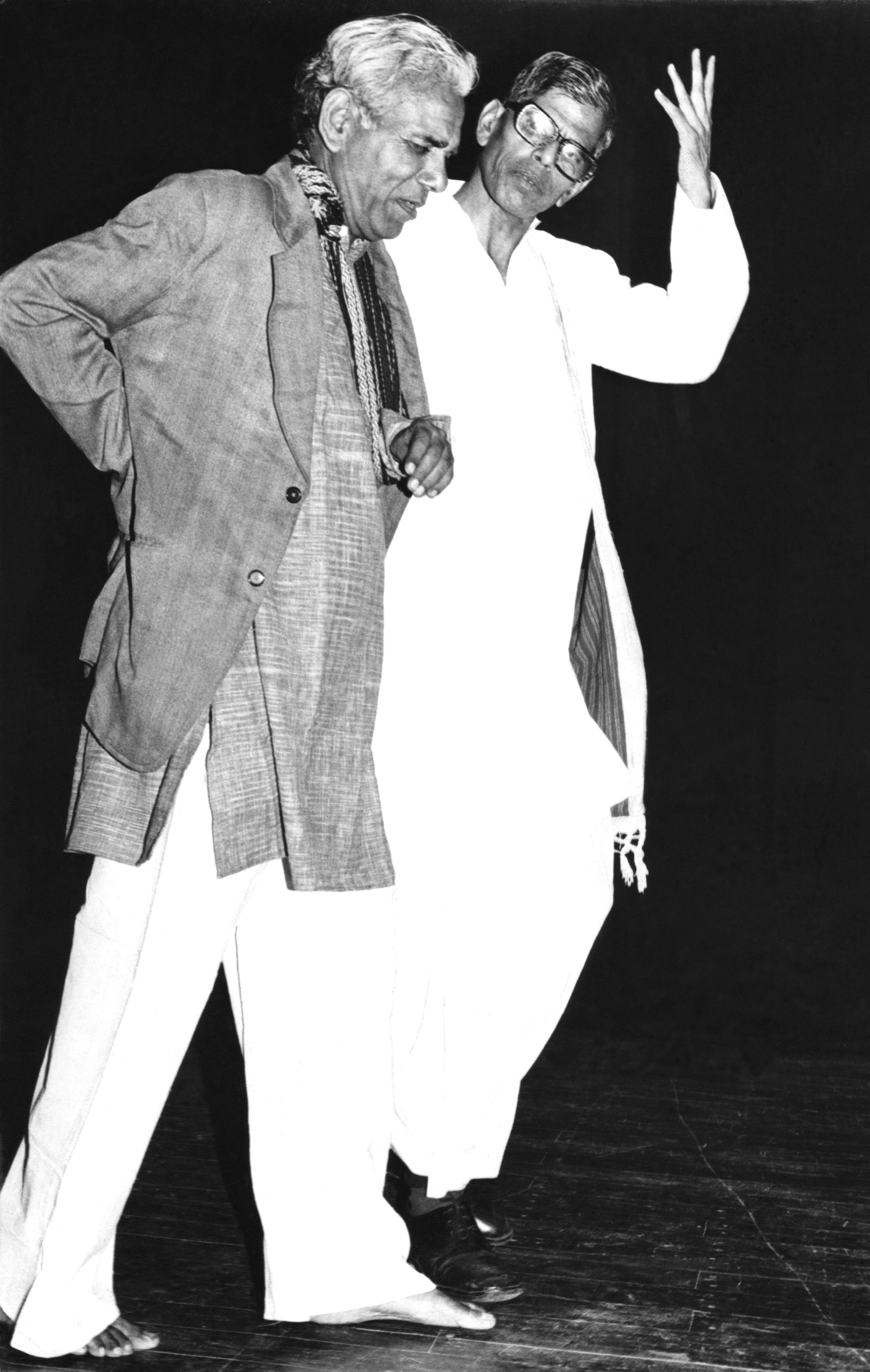
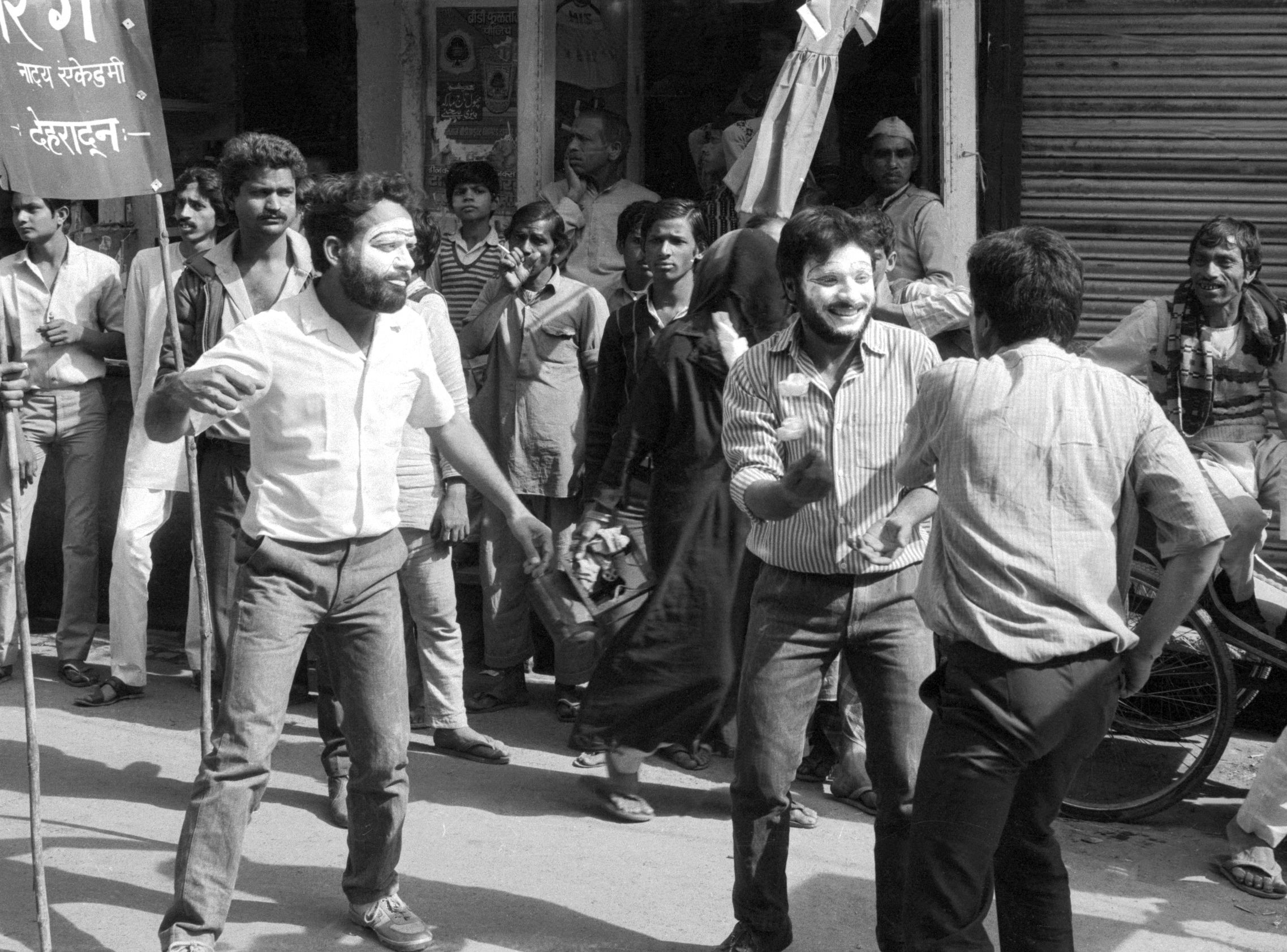
L-Rehearsal scene from ‘Achriyun ku Taal’ 1983, New Delhi; R- Scene from ‘Ekikaran’ 1983, New Delhi
SADHANA SANSKRITI PRATISHTHAN
In 1985 Thapalyal founded Sadhana Sanskriti Pratishthan, a cultural organisation in Sahibabad, Uttar Pradesh. An enthusiastic response to a call for actors enabled the establishment of the drama wing of the organisation, Sadhana Natya Kala Kendra. It was soon up and running as a training and production unit, and Sadhana shows became keenly awaited fixtures in the cultural life of the community. On demand, a summer children’s workshop was instigated. Thapalyal now created numerous new scripts for the Sadhana children, adding to his earlier repertoire of works for children, full of magic, fun, and a healthy dose of social critique.

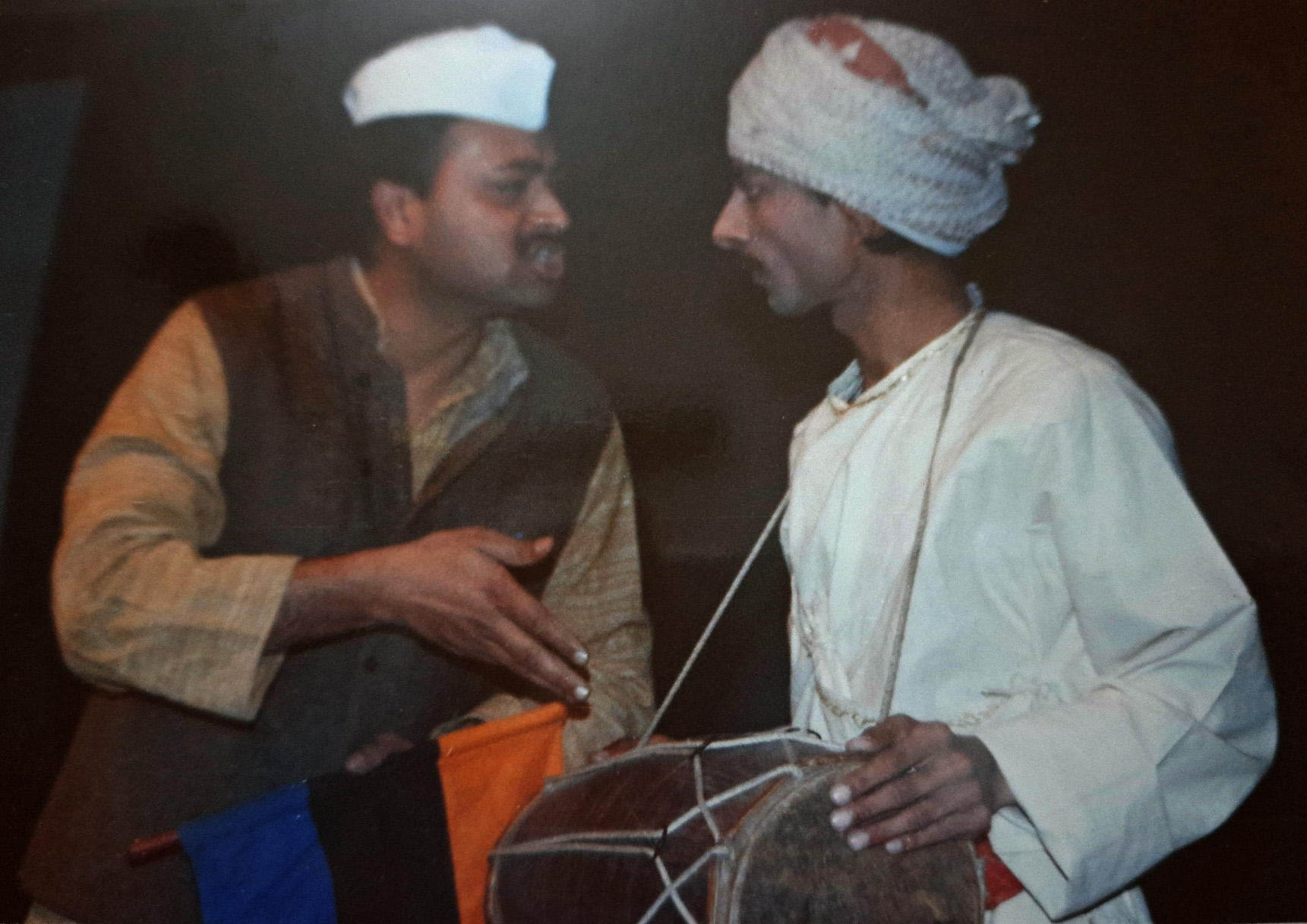
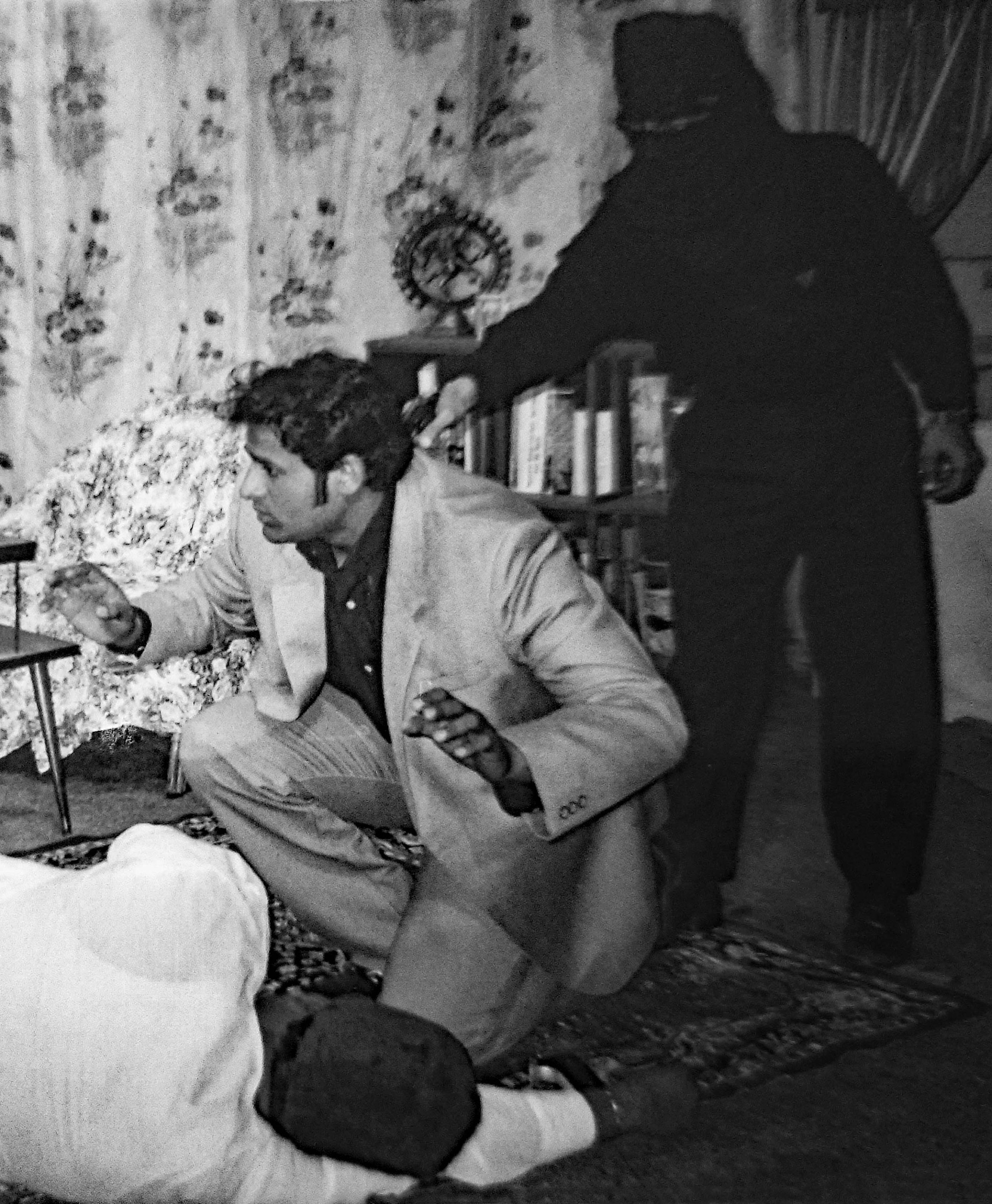
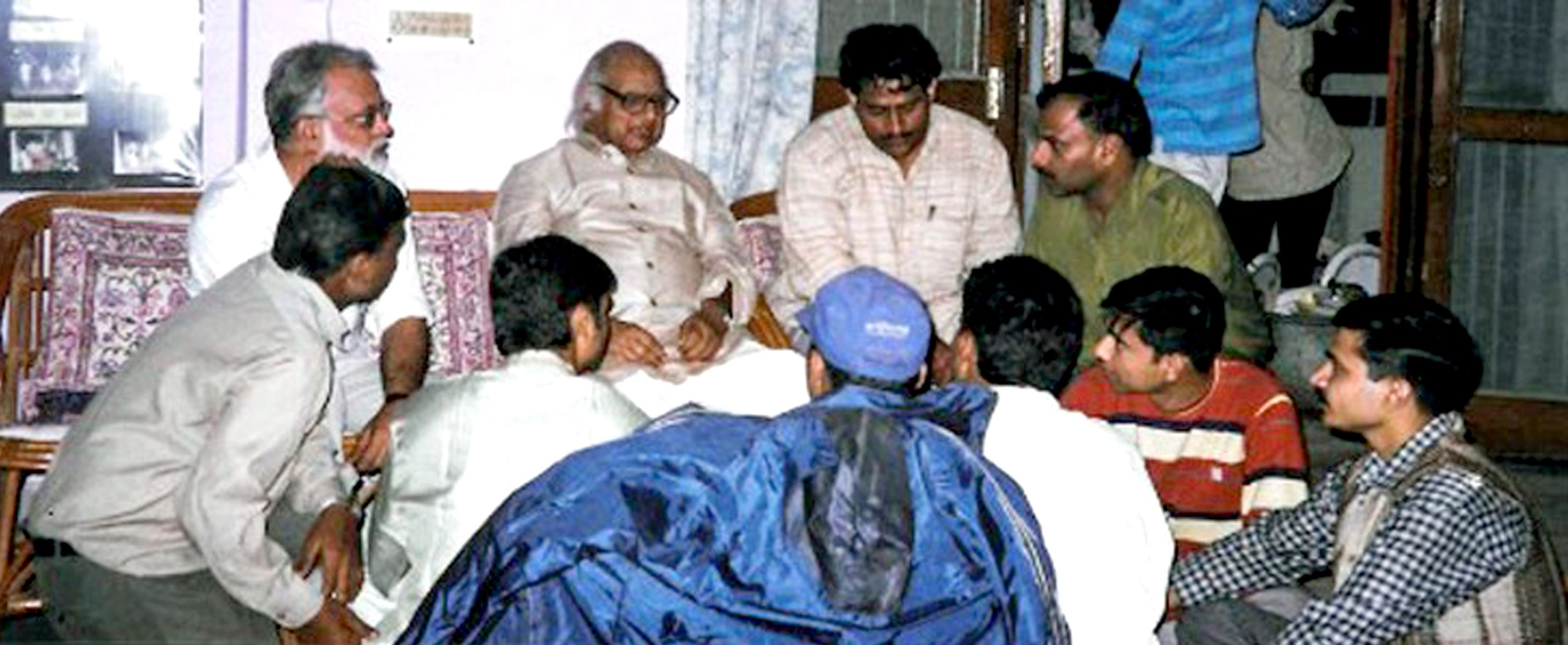
Scene from Dhakar Party, 1995; Scene from ‘Panne ki Angoothi’ 1995- all performed at Sadhana Natya Kala Kendra studio theatre; Giving director’s notes in the studio theatre of Sadhana Natya Kala Kendra, Rajendra Nagar, Sahibabad, 1990s.
AWARDS AND PUBLICATIONS
For his contribution to the field of dramatic arts Thapalyal received numerous titles and awards including the Mohan Rakesh Samman of the Sahitya Kala Parishad- Government of Delhi (1996), the Jayshree Samman of the Garhwali Bhasha Parishad (1986), Akhil Garhwal Sabha Samman (2002), and Ghaziabad Gaurav Samman (1998), among others.
Most of the plays of Lalit Mohan Thapalyal have been published as anthologies and singly in theatre journals. Others are currently known only to those who took part or saw them being performed. A list of the printed anthologies that are currently available can be viewed in the ‘Publications’ section of this website. In ‘Works’ we have compiled a full list of all his plays and short stories, noting wherever possible the year in which each was written. Over the coming months we hope to digitise the scripts and make them more widely available.
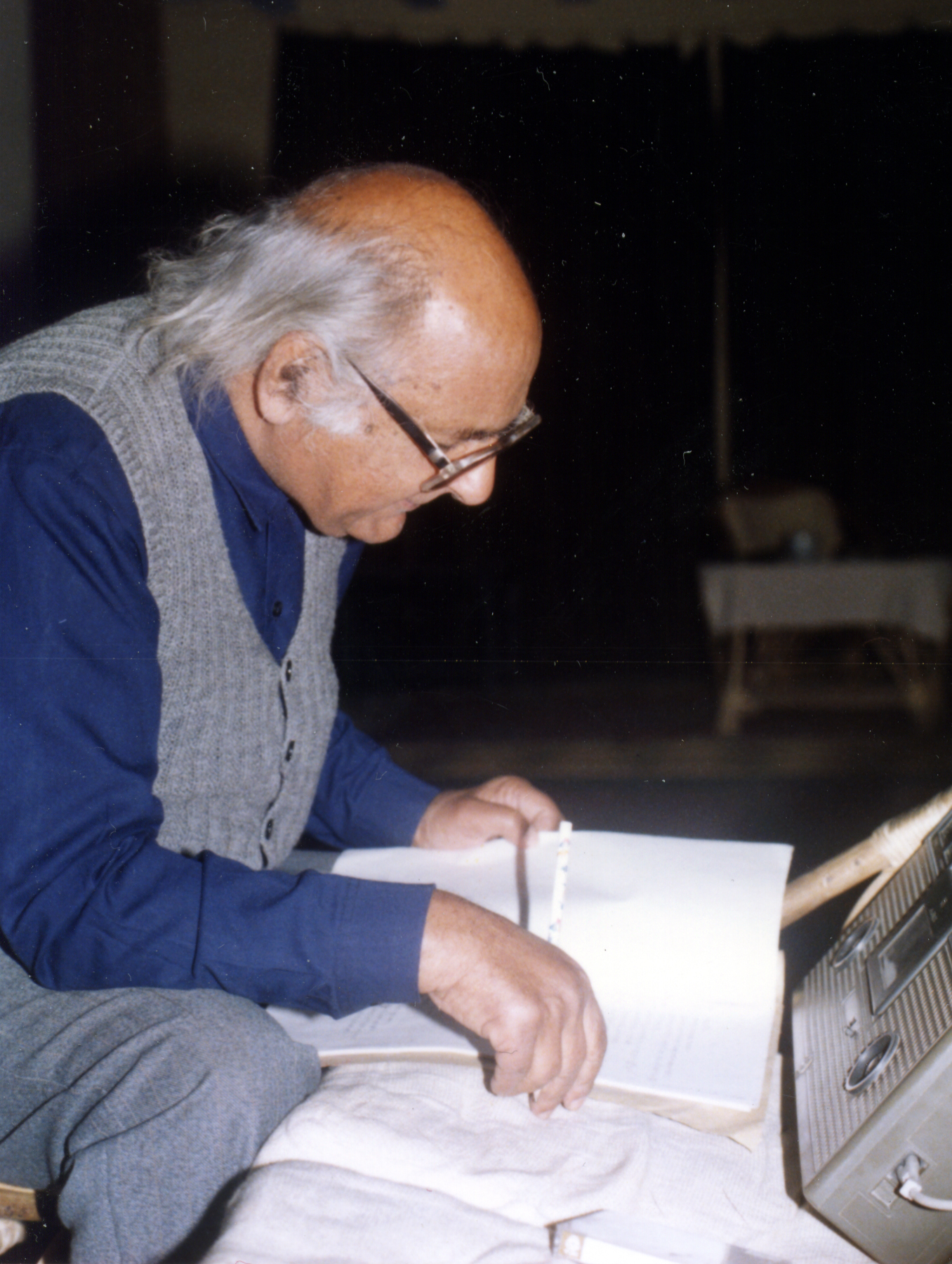
Checking sound cues in the Sadhana Natya Kala Kendra studio theatre, late 1990s.
 Lalit Mohan Thapalyal Playwright